
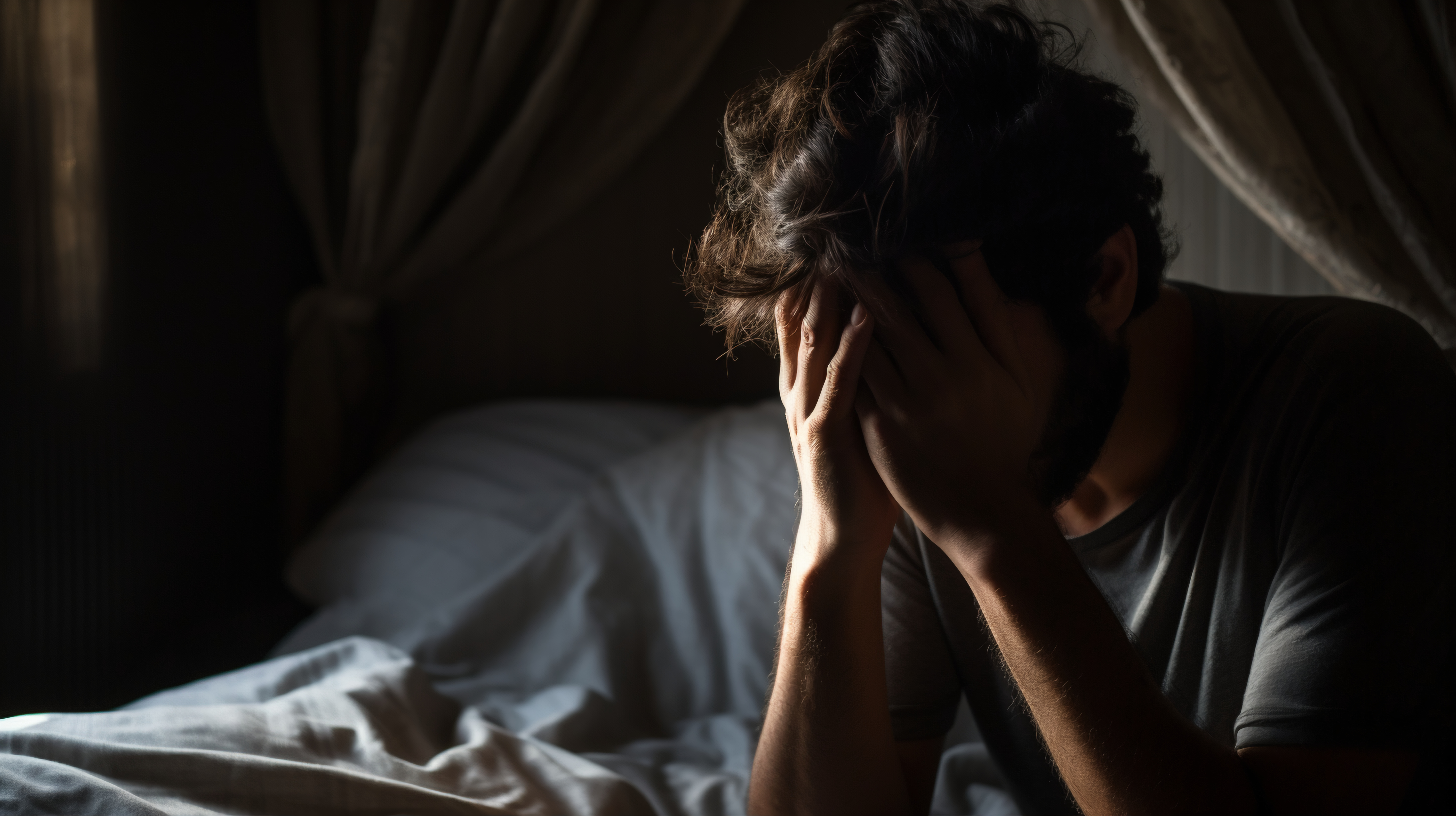
Why do I feel tired even after sleeping? If this thought has crossed your mind more than once, it’s not random anymore.
You sleep. You wake up. And instead of feeling refreshed, there’s this strange heaviness sitting in your body. Not extreme. Not alarming. Just enough to make everything feel harder than it should. You stretch, check your phone, and sit up slowly, almost like you’re waiting for your body to catch up. And somewhere in that moment, there’s a quiet realization you don’t say out loud… this isn’t how you used to feel.
Most people believe tiredness after sleep means one simple thing lack of sleep. So they try sleeping earlier, sleeping more, fixing routines, reducing screen time. Some even cut caffeine or try different schedules. But the feeling doesn’t fully go away. Because the problem isn’t always how long you sleep. It’s what your body is silently failing to do while you sleep.
The Signs That Feel Normal But Aren’t
In 2026, more people are experiencing something that doesn’t sound serious but slowly changes how they live non-restorative sleep. You sleep through the night, but your body never fully resets and when that happens repeatedly, your system starts running on partial recovery. Not broken. Not sick. Just incomplete.
This is where things get uncomfortable, because the signs don’t feel like a problem. They feel like daily life. You wake up tired even after a full night’s sleep, not sleepy but drained. Your focus slips in small ways, you read something and realize you didn’t process it. Afternoons feel heavier than they used to, with energy dipping without warning. Your mood feels slightly off, irritation shows up faster and patience fades quicker.
You depend more on caffeine than you used to, but it doesn’t hit the same. Even rest doesn’t feel like rest anymore. You sit, lie down, pause but your body still feels tense underneath and at night, despite being exhausted, your mind refuses to fully shut down. None of this feels serious enough to question, and that’s exactly why it continues.
Most people asking why do I feel tired even after sleeping assume it’s just lack of rest… and if this feeling sounds familiar, there’s a good chance you’ve experienced it before in a slightly different way. That strange exhaustion that doesn’t go away, even when you think you’ve rested enough. You might also notice this pattern if you’ve ever wondered why you feel tired even when you sleep 8 hours, where sleep happens, but recovery never fully does.
What’s Quietly Draining Your Energy
The hidden cause isn’t always obvious. It’s not just stress, not just sleep timing, not just lifestyle. It’s how your nervous system has adapted to constant stimulation. Late-night scrolling, continuous information and background stress that never fully switches off have become normal. But your body hasn’t adapted the way you think.
Your body stays slightly alert, even during sleep. Your breathing stays shallow, your muscles don’t fully relax and your brain never completely drops into deep recovery. So you sleep, but you don’t recover. Some people only notice this shift when they pause and reflect on how their body actually feels. A slightly deeper breath feels unfamiliar. A moment of true relaxation feels rare. That itself becomes a signal that something has quietly changed over time. Even posture plays a role more than people think. Long hours of sitting and slouching affect breathing patterns and internal pressure, which slowly influences how your body rests at night. These aren’t dramatic changes. They’re subtle shifts that reveal how off things actually were.
The reason this gets ignored is simple. You can still function. You can still go to work, talk to people, complete tasks and live your life. You’re just doing everything with slightly less energy, slightly less clarity and slightly less presence. And over time, that becomes your normal. There’s also something deeper people avoid thinking about. Because if it’s not just tiredness, then what is it? So the question gets pushed aside and the pattern continues. The truth is, the body doesn’t move straight into breakdown. It adapts first, it lowers expectations, slows systems down and conserves energy quietly but that adaptation comes at a cost. Your baseline shifts. Energy drops become more frequent. Mental clarity becomes inconsistent. Recovery becomes slower and one day, it doesn’t feel like occasional tiredness anymore. It feels like something is missing.
Why do you feel tired even after sleeping? Sometimes, it’s not about sleep at all. It’s about a body that hasn’t felt fully recovered in a long time and the longer that continues, the more normal it starts to feel.
The scariest part isn’t the fatigue. It’s how easily you can get used to it. Until one day, you forget what real energy actually felt like.
For general sleep health information, refer to: https://www.cdc.gov/sleep
FAQ
1. Why do I feel tired even after sleeping 8 hours?
This often happens due to non-restorative sleep, where your body doesn’t enter deep recovery stages properly despite enough sleep duration.
2. What causes constant fatigue and brain fog?
Constant fatigue and brain fog can be linked to poor sleep quality, nervous system stress, and lack of proper physical recovery during sleep.
3. Is it normal to wake up tired every day?
It’s common, but not normal. Persistent tiredness may indicate underlying issues your body is trying to signal.
4. Can poor posture and breathing affect sleep quality?
Yes, shallow breathing and poor posture can impact how deeply your body relaxes during sleep, affecting recovery and energy levels.