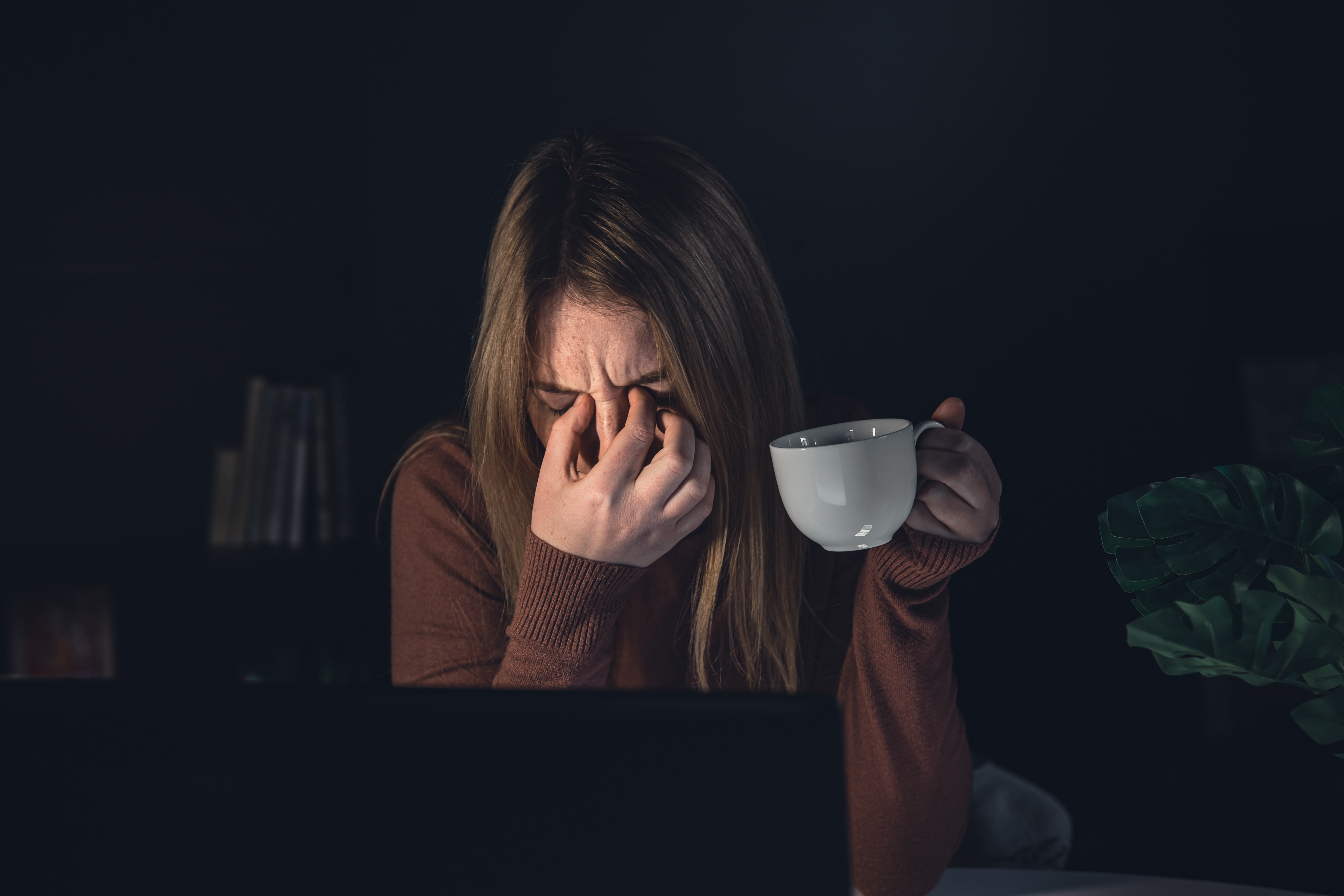
The fatigue you feel isn’t always in your body. Sometimes it begins in your eyes
Mentally overworked eyes don’t feel serious at first. Most people think tired eyes come from screens. Too much phone, too much laptop and too much scrolling before sleep. That explanation sounds right until you try to rest and still feel drained. Not just visually tired but mentally slow, heavy and slightly disconnected. This is where most people miss what is actually happening. Your eyes are not just tired. They are mentally overworked and slowly they begin to drain everything else with them.
If you’ve ever wondered why your energy drops without a clear reason, this is often where it begins.
What people believe and what is actually happening
The belief is simple. Eye fatigue comes from overuse, so people blink more, look away or take short breaks. But the truth is quieter and easy to miss. Your eyes are not just seeing. They are constantly processing, filtering and interpreting information. Every scroll, every shift in brightness, every moving visual sends signals to your brain and your brain has to keep up with all of it.
There are no real pauses anymore. Just continuous input what feels like eye strain is often something deeper. It is mental load entering through your eyes.
If you’ve ever wondered why your energy drops without a clear reason, it often connects to deeper patterns like why simple tasks feel overwhelming for no reason, where mental overload slowly turns into constant fatigue.
The subtle signs your eyes are mentally overworked
These signs do not feel serious which is why they are ignored. There is often a heavy feeling behind the eyes, especially in the evening. Not pain, just pressure that builds slowly. Focusing on simple things becomes harder and you may read something without absorbing it. There is a strange mental tiredness after screen use even when your body has done nothing.
The urge to switch between apps or thoughts becomes constant, as if your mind cannot stay still. Dryness appears and disappears without reason. Bright light starts to feel uncomfortable. Clarity drops, not just in vision but in thinking.
These are not separate issues. They are part of one pattern.
Why people ignore it
Because it feels normal. Everyone uses screens. Everyone feels tired. Everyone has low focus days. So this blends into everyday life. Instead of questioning it people adjust around it.
Some start using small visual aids, something as simple as this anti-glare screen filter that softens harsh light without changing how you use your device. It makes things feel easier, but the deeper fatigue often stays. Others shift their setup slightly, using a soft ambient bias light behind their screen to reduce contrast strain. It helps the eyes feel less pressured but the mental heaviness doesn’t fully go away because the issue is not just brightness. It is how much your eyes are forced to process.
The connection most people never notice
Your eyes and your brain are always working together. When your eyes are overloaded, your brain slows down. It becomes tired and starts avoiding effort. That is why you feel low motivation, shorter attention span and mental heaviness without a clear reason.
Many people try to fix this mentally by taking breaks or distracting themselves but the input never changes. Some people quietly use something like a visual pacing timer that gently reminds your eyes to reset without interrupting your flow. It does not feel like a big change but it shifts how long your eyes stay under constant pressure.
The problem is not effort. It is overload.
A deeper pattern your eyes never switch off anymore
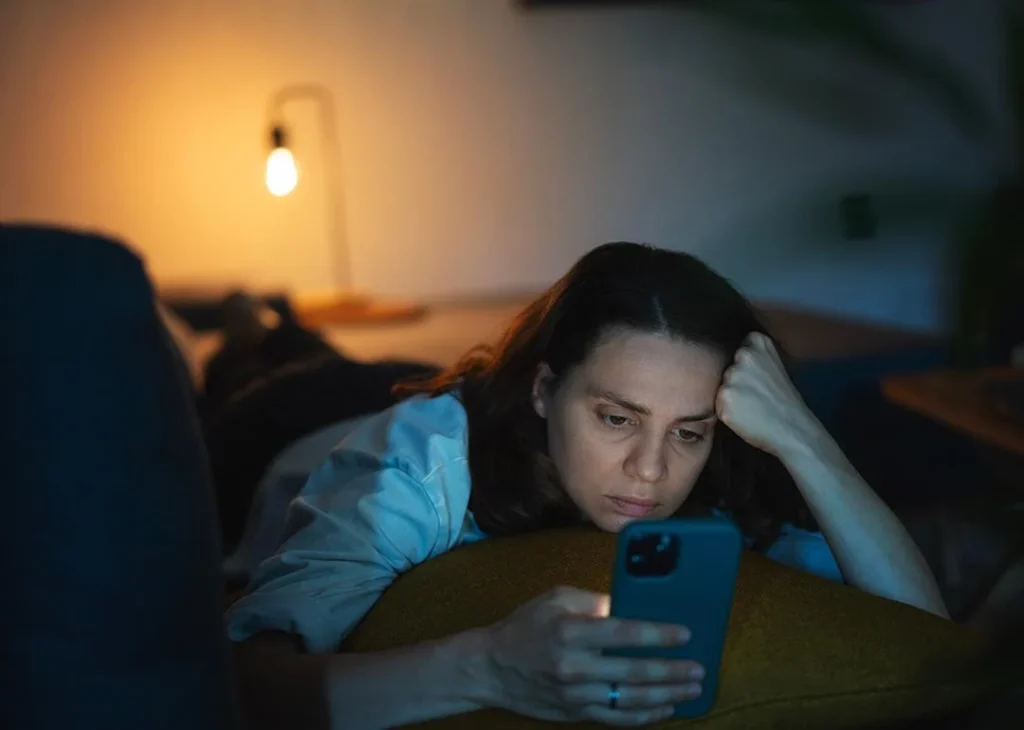
Mentally overworked eyes causing fatigue and brain fog from screen use, there was a time when your eyes had balance. Looking far, looking near, natural light & darkness. Now your eyes stay in one mode. Close distance, artificial light & constant stimulation. Even your rest involves screens.
Your eyes do not recover. They just shift between similar inputs. Your brain stays in a low level alert state because of it.
According to American Optometric Association prolonged screen exposure affects focus, clarity and visual comfort especially when breaks are inconsistent. What you feel is not random. It builds slowly over time.
The moment most people recognize
It is usually quiet. You are looking at your screen, nothing intense, nothing stressful. But suddenly you feel tired. Not physically but mentally. Like your brain wants to stop even if your body is fine.
So you switch apps, scroll something light or look for distraction. But the tiredness does not leave. It just follows you.
A quieter shift some people begin to notice
Some people begin noticing patterns. They feel better in softer light, when screens feel calmer and when visual input is less aggressive. That is why some move toward calmer tools like an e-ink style display tablet that feels closer to paper and removes constant glare and refresh strain.
It does not feel like a solution. But it changes how your eyes experience information.
This is why many people start feeling drained without understanding the cause. It is similar to how your body is mentally overloaded and shows up as low energy, where the problem isn’t effort but constant internal pressure.
Small things people quietly change (that make a difference)
Disclosure: This article contains affiliate links. If you purchase through these links, I may earn a small commission at no extra cost to you.
Most people don’t make big changes they don’t suddenly reduce screen time or change their routine overnight.
They just start noticing what feels heavy and adjust small things around it.
Some begin with something as simple as an anti-glare screen filter that softens the sharpness of light hitting their eyes all day. It doesn’t feel like a solution, but it reduces that constant pressure you don’t always notice.
Others shift how their space feels. A subtle change like ambient bias lighting setup behind a screen makes long hours feel less intense, even when nothing else changes.
A few people become aware of how long they stay visually locked in. That’s where something like a visual pacing timer quietly helps break that continuous exposure without forcing strict routines and then there are those who go a step further, not by doing more but by changing how they see. For example a tool like an e-ink style display device feels closer to paper and removes the constant glare and refresh strain that most screens create.
None of these are dramatic changes but they shift how your eyes experience the day ansometimes, that’s where the difference begins.
Final reflection
Your eyes do not complain loudly. They keep adjusting. They keep working even when they are overwhelmed until your brain begins to feel it and by then it no longer feels like an eye issue. It feels like you. Tired, unfocused and drained without a clear reason.
The reason was always there. You just were not looking at it this way.
FAQ’s
What are signs of mentally overworked eyes
Heavy eyes, brain fog, difficulty focusing, dryness and mental fatigue after screen use are common early signs.
Can eye strain cause fatigue and low energy
Yes, continuous visual overload can drain mental energy and reduce focus even without physical activity.
Why do I feel tired after using screens
Because your eyes constantly process information, which overloads your brain over time.
How can I reduce screen fatigue naturally
Reducing visual intensity, improving lighting, and creating small breaks in visual input can help ease the load.