
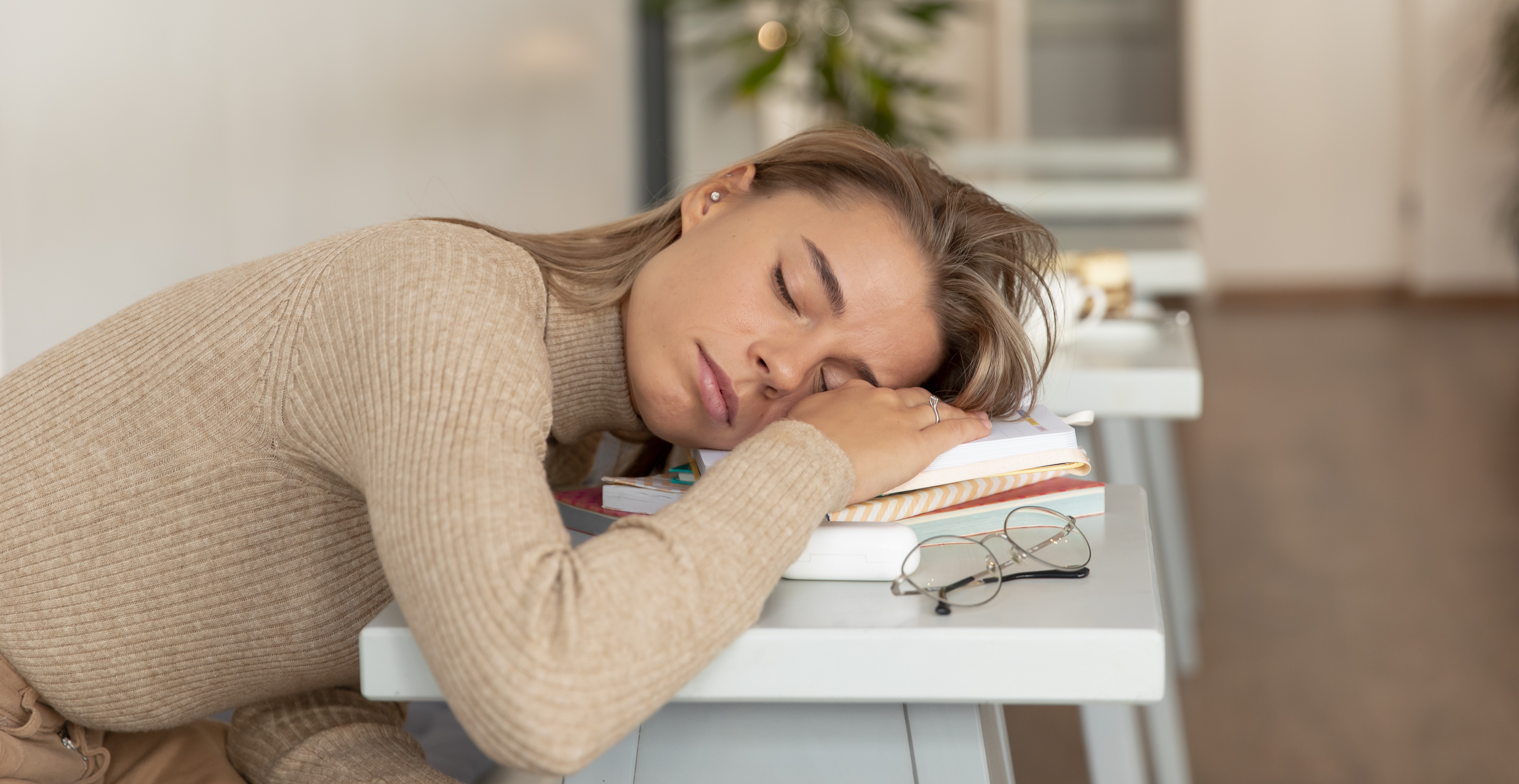
You slept seven or eight hours, maybe even more, you didn’t stay up scrolling and you weren’t that stressed but somehow you still wake up feeling tired, not sleepy just heavy and slower than you should be.
You ask yourself, why do I feel tired even when I sleep 8 hours?
This is one of the most searched daily health questions, and most answers talk about sleep quality, supplements or stress, but what if the real problem isn’t that you’re under-rested what if you’re under-activated? There’s a difference.
Fatigue Is Often a Movement Problem, Not a Sleep Problem
Most modern men and women are not physically exhausted. They are metabolically unstimulated.
Long sitting hours, minimal sunlight exposure, very little muscle engagement and shallow breathing while working at a desk flatten your body’s natural activation cycle. Circulation slows. Oxygen delivery drops. Hormonal rhythms become dull instead of dynamic.
Sleep restores what you use. If you don’t use your body enough during the day, sleep has very little meaningful recovery work to do. So you wake up tired.
Many people searching why do I feel tired even when I sleep 8 hours assume something is medically wrong. But in many cases, the issue is not illness. It is lifestyle adaptation that slowly changes how your body produces and distributes energy.
Many people who wonder why do I feel tired even when I sleep 8 hours assume it’s a motivation problem. In reality, constant fatigue is often a sign of mental overload and nervous system strain. As explained in You’re Not Lazy Your Body Is Mentally Overloaded (And It Shows Up as “No Energy”), low energy is rarely about laziness it is often accumulated stress your body hasn’t processed properly.
Why Sleeping More Doesn’t Always Help
Many people try to fix this by going to bed earlier but if daytime energy output is low, extra sleep often creates more grogginess instead of relief.
Your nervous system thrives on cycles of effort and recovery. If there is no effort, recovery becomes stagnant.
That is why someone who exercises regularly often feels more energetic than someone who barely moves. Movement increases circulation, improves oxygen delivery, stabilizes blood sugar and strengthens hormonal rhythms.
Fatigue is not always a signal for more rest. Sometimes it is a signal for more demand.
Energy Is Adaptive, Not Automatic
The body does not produce high energy simply because it gets enough hours in bed. It produces energy when there is consistent demand for it.
Muscle tissue is metabolically active. When large muscle groups remain underused, circulation becomes less efficient and energy production adapts downward. Over time, the body becomes comfortable operating in low-power mode.
That low-power mode feels like heaviness, brain fog, slower thinking, and flat mood.
Two people can sleep the same eight hours and wake up feeling completely different. One body is regularly challenged. The other is conserved.
Sleep restores what has been stressed. If very little has been stressed, restoration feels incomplete.
The body is not broken.
It is adapting.
Men and Women Experience This Differently
Men often describe this fatigue as mental fog, low drive or afternoon crashes. They feel present but not sharp.
Women often describe it as morning heaviness, hormonal dips or unexplained low energy even after a full night of sleep.
The expression may differ. The pattern underneath is often similar.
Low daily activation gradually lowers metabolic intensity for both. When the body shifts toward conservation, motivation drops first and energy follows
The Breathing Factor Most People Ignore
Posture and breathing quietly influence daily energy.
Long periods of sitting with rounded shoulders reduce lung expansion. Shallow breathing limits oxygen efficiency. Less oxygen means lower cellular energy output.
You may be sleeping enough but if your breathing is restricted for most of your waking hours, your system never fully charges.
Fatigue can be mechanical before it becomes medical.
The Silent Energy Killers in Daily Life
Three modern habits quietly reduce energy even when sleep duration is adequate.
Extended uninterrupted sitting slows circulation.
Low sunlight exposure weakens circadian rhythm strength.
Complete physical inactivity during already sedentary lifestyles reinforces energy conservation.
Energy is built through cycles of motion and recovery, not through comfort alone.
According to research published by the National Institutes of Health on physical inactivity and metabolic health, prolonged sedentary behavior directly impacts energy regulation and circulation.
The Emotional Weight of Feeling Tired All the Time
Chronic tiredness affects more than just productivity, it chips away at your confidence, changes how capable you feel and makes even small tasks seem heavier than they should be.
You begin questioning yourself.
Am I lazy?
Is something wrong with me?
Why do others seem sharper?
Often nothing dramatic is wrong. Your system may simply be operating at the level it has adapted to.
Energy is not something the body hands out freely, it rises to meet demand.
The Real Takeaway
If you feel tired even after eight hours of sleep, it may not be a sleep problem at all. It may be an adaptation problem.
Sleep restores what you use. If your daily life requires very little from your body, restoration feels minimal. Energy systems respond to stimulus. Without stimulus, they quiet down.
Your fatigue may not be a sign of weakness. It may be a sign of underuse and that is a very different conversation.
Fatigue is rarely random. The body usually gives subtle warnings long before major symptoms appear. In fact, most long-term health issues begin as small, ignored signals. That’s why understanding daily tiredness matters as discussed in Most Health Problems Don’t Start With Disease They Start With Ignoring Small Signals, early awareness changes long-term outcomes.
FAQ’s
Why do I feel tired even when I sleep 8 hours?
Often due to low daily movement, reduced circulation, shallow breathing or metabolic adaptation rather than lack of sleep.
Can lack of exercise cause fatigue?
Yes. Reduced muscle engagement lowers circulation and oxygen delivery, which can decrease energy production over time.
Why am I tired but not sleepy?
This often indicates low physical activation rather than sleep deprivation.
Does posture affect energy levels?
Yes. Slouched posture can restrict lung expansion and reduce oxygen efficiency.